Solar energy is rapidly transforming the global energy landscape, and the United States is one of the leading countries driving this change. Over the past decade, solar power has shifted from a niche alternative energy source to a mainstream electricity solution. With growing concerns about climate change, rising electricity demand, and advancements in technology, the future of solar energy in the United States looks extremely promising. This article explores how solar energy is evolving, the factors driving its growth, challenges it faces, and what the future may hold.
Current State of Solar Energy in the United States
The United States has made significant progress in adopting solar power. Many states, especially California, Texas, and Florida, have invested heavily in solar farms and residential solar installations. Millions of homes now use rooftop solar panels to generate electricity, reducing dependence on fossil fuels.
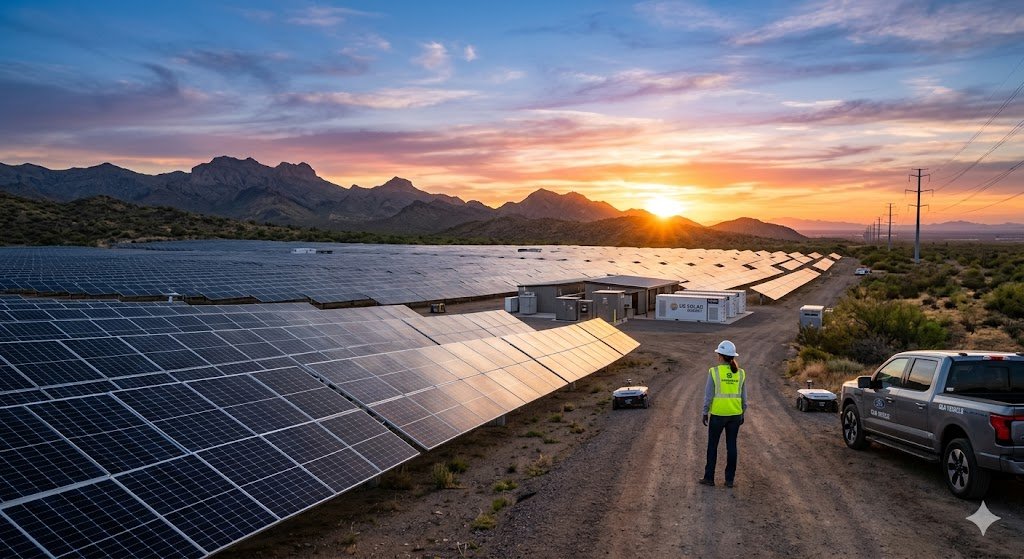
Utility-scale solar farms are also expanding rapidly. These large installations produce electricity for entire communities and contribute significantly to the national grid. Companies like Tesla, Inc. and other renewable energy firms are actively involved in developing solar technologies and storage solutions that support this growth.
Government policies, tax incentives, and net metering programs have played a crucial role in encouraging adoption. The federal Investment Tax Credit (ITC), for example, has made solar installations more affordable for homeowners and businesses.
Future of Solar Energy in the United States 2026
Key Drivers of Solar Growth
Several important factors are pushing solar energy forward in the United States:
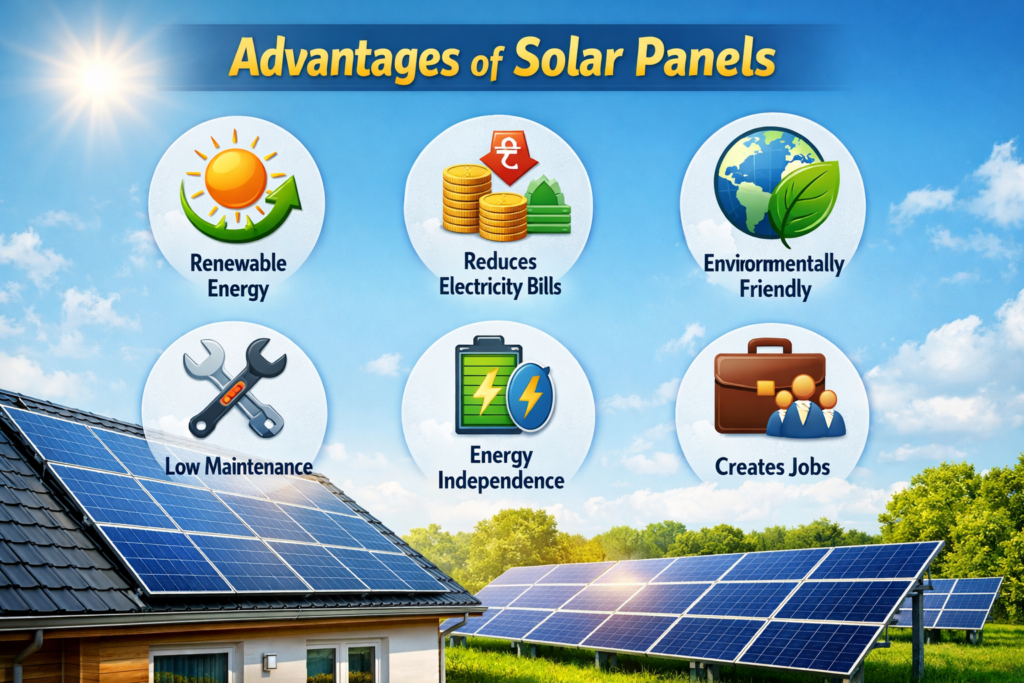
One of the biggest reasons for solar expansion is the dramatic reduction in costs. Over the last 10–15 years, the price of solar panels has dropped significantly due to improved manufacturing techniques and economies of scale. This has made solar energy more accessible to average households.
2. Environmental Awareness
Climate change has become a major global concern. The United States government, along with private organizations and individuals, is increasingly focused on reducing carbon emissions. Solar energy produces clean electricity without greenhouse gas emissions, making it a key solution in the fight against global warming.
3. Technological Advancements
Modern solar panels are more efficient than ever before. Innovations in photovoltaic technology, energy storage, and smart grid systems have improved the performance of solar installations. Battery systems now allow users to store excess energy for use at night or during power outages.
4. Energy Independence
Many Americans are interested in reducing their dependence on traditional utility companies. Solar energy allows households and businesses to generate their own electricity, providing greater control over energy usage and costs.
Role of Energy Storage
One of the most important developments shaping the future of solar energy is battery storage. Solar power is intermittent—it only works when the sun is shining. However, battery systems solve this problem by storing excess energy for later use.
Companies like Tesla, Inc. and other innovators are developing advanced lithium-ion battery systems that make solar energy more reliable. In the future, widespread adoption of energy storage will allow homes and cities to rely on solar power even at night or during cloudy weather.
Government Policies and Support
The U.S. government plays a critical role in shaping the future of solar energy. Federal and state-level policies encourage renewable energy adoption through tax credits, subsidies, and renewable portfolio standards.
Many states have set ambitious clean energy goals, aiming for 100% renewable electricity in the coming decades. These policies are expected to significantly increase solar installations across the country.
In addition, infrastructure investments in smart grids and modern transmission systems are helping integrate solar energy more efficiently into the national power system.
Challenges Facing Solar Energy
Despite strong growth, solar energy in the United States still faces several challenges:
Solar energy depends on sunlight, which is not always available. Nighttime and cloudy conditions reduce production, making storage systems essential.
2. High Initial Investment
Although costs have decreased, installing a solar system—especially with battery storage—can still be expensive for many households.
3. Space Requirements
Large-scale solar farms require significant land area, which can sometimes lead to land-use conflicts.
4. Grid Integration
Integrating large amounts of solar power into the existing electrical grid requires upgrades and modernization to maintain stability and efficiency.
Role of Private Sector and Innovation
Private companies are driving much of the innovation in the solar industry. Firms are developing more efficient photovoltaic cells, flexible solar panels, and integrated energy systems.
Electric vehicle and energy companies like Tesla, Inc. are combining solar panels with home battery systems and electric vehicle charging solutions. This creates a complete ecosystem of renewable energy usage for households.
Startups and established energy corporations are also investing heavily in research and development to improve solar panel efficiency and reduce production costs further.
Future Trends in Solar Energy
Future of Solar Energy in the United States 2026
The future of solar energy in the United States is expected to be shaped by several key trends:
1. Increased Adoption in Homes
More homeowners are expected to install rooftop solar systems as prices continue to fall and financing options improve.
2. Expansion of Solar Farms
Utility-scale solar farms will continue to expand, especially in sunny regions like the Southwest United States.
3. Integration with Smart Grids
Smart grid technology will allow better distribution and management of solar electricity, improving efficiency and reliability.
4. Growth of Energy Storage
Battery storage will become standard in solar systems, enabling 24/7 renewable energy usage.
5. Electric Vehicle Synergy
As electric vehicles become more popular, solar energy will play a key role in charging infrastructure, reducing reliance on fossil fuels.
Environmental and Economic Impact
Solar energy has a significant positive impact on both the environment and the economy. Environmentally, it reduces greenhouse gas emissions, air pollution, and dependence on fossil fuels. Economically, it creates jobs in manufacturing, installation, maintenance, and research.
The solar industry has already created hundreds of thousands of jobs in the United States, and this number is expected to grow as adoption increases. It also contributes to energy security by reducing reliance on imported oil and gas.
Conclusion
The future of solar energy in the United States is bright and full of potential. With continuous technological advancements, supportive government policies, and increasing public awareness, solar power is set to become a dominant source of electricity in the coming decades.
Although challenges such as cost, storage, and grid integration still exist, ongoing innovation is steadily addressing these issues. As companies like Tesla, Inc. continue to push boundaries in energy technology, the transition toward a clean and sustainable energy future becomes more realistic every year.