In recent years, solar energy has become one of the most popular renewable energy sources around the world. As electricity prices continue to rise and people become more aware of environmental issues, more homeowners and businesses are installing solar panels. However, one important question often arises: Is solar battery storage worth it? To answer this, we need to understand what solar battery storage is, how it works, its benefits, costs, and whether it is a smart investment for the average user.
What is Solar Battery Storage?
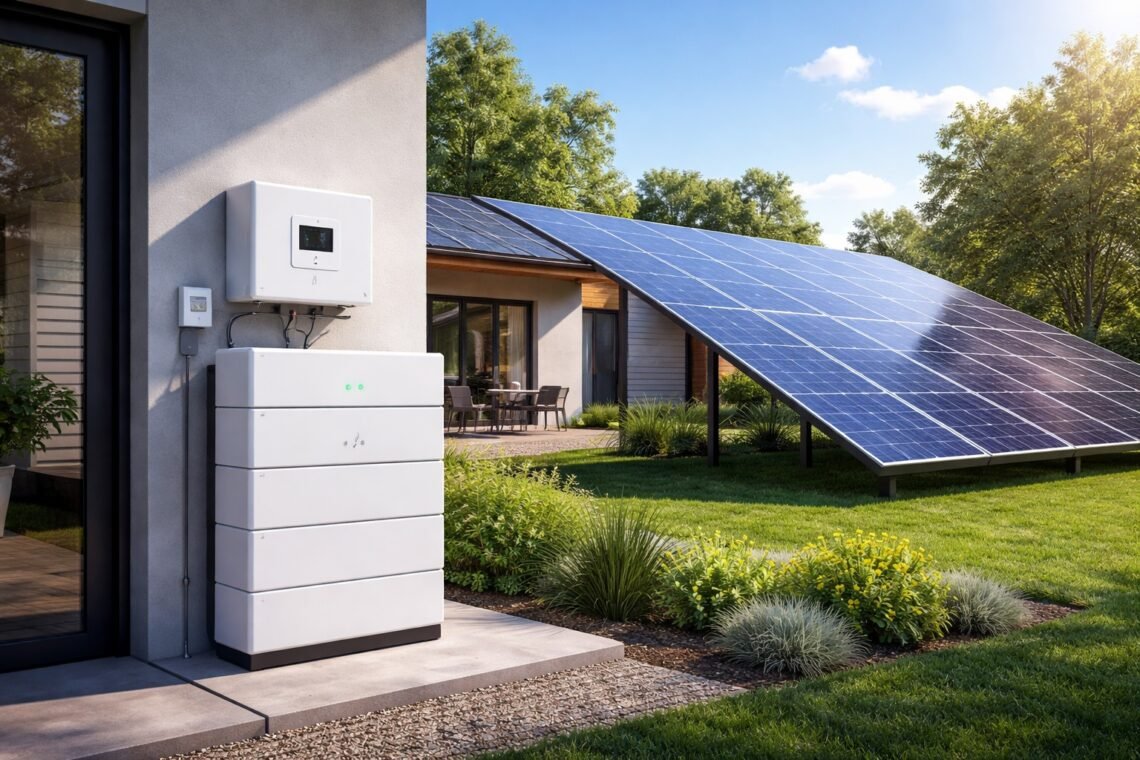
Solar battery storage is a system that stores excess electricity generated by solar panels during the day so it can be used later, especially at night or during power outages. Normally, solar panels produce electricity only when the sun is shining. Without a battery, any extra electricity either goes back to the grid or is wasted depending on the system setup.
A solar battery solves this problem by storing unused energy for later use. This allows homeowners to use more of their own solar power instead of relying on the grid.
How Does It Work?
The working process is quite simple:
- Solar panels generate electricity from sunlight.
- The electricity powers your home’s appliances first.
- Any extra electricity is stored in the battery.
- When the sun goes down or during a power cut, the battery supplies electricity.
This system helps create a more independent and reliable energy setup.
Types of Solar Batteries
There are several types of solar batteries available in the market:
- Lithium-ion batteries: The most common type, known for efficiency, long life, and low maintenance.
- Lead-acid batteries: Cheaper but have shorter lifespan and lower efficiency.
- Saltwater batteries: Environmentally friendly but not widely used yet.
- Flow batteries: Suitable for large-scale storage but expensive for homes.
Among these, lithium-ion batteries are currently the most popular choice for residential solar systems.
Benefits of Solar Battery Storage
1. Energy Independence
One of the biggest advantages is independence from the electricity grid. You can generate and store your own electricity, reducing reliance on utility companies.
2. Backup Power
In areas where power outages are common, solar batteries provide a reliable backup. This is especially useful for homes, hospitals, and businesses.
3. Lower Electricity Bills
By using stored solar energy at night instead of grid electricity, you can significantly reduce your monthly electricity bills.
4. Better Use of Solar Energy
Without a battery, excess solar energy is often wasted or sold at low rates. With storage, you can use 100% of your generated power.
5. Environmental Benefits
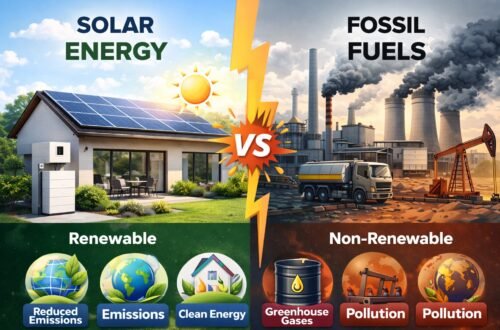
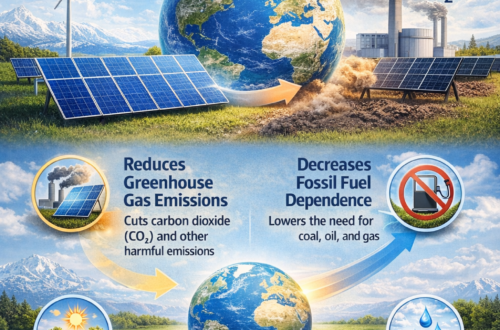
Solar batteries help reduce dependence on fossil fuels, lowering carbon emissions and contributing to a cleaner environment.
Drawbacks of Solar Battery Storage
Despite many benefits, there are also some disadvantages:
1. High Initial Cost
Solar batteries are expensive. A good quality battery system can significantly increase the total cost of a solar installation.
2. Limited Lifespan
Even lithium-ion batteries degrade over time and may need replacement after 8–15 years.
3. Maintenance and Efficiency Loss
Although modern batteries are low maintenance, they still lose efficiency gradually.
4. Not Always Necessary
In areas with stable electricity and net metering policies, batteries may not provide enough extra savings to justify the cost.
Cost of Solar Battery Storage
The cost depends on the brand, capacity, and technology. On average:
- Small residential battery systems: moderate to high cost
- Large capacity systems: very expensive
In countries like Pakistan, where electricity prices are rising but installation support is still developing, the initial investment can feel heavy for many households.
Is It Worth It?
The answer depends on your situation:
It IS worth it if:
- You experience frequent power outages
- Your electricity bills are very high
- You want full energy independence
- You live in an area with weak or unreliable grid supply
It may NOT be worth it if:
- Your electricity supply is stable
- You already benefit from net metering (selling extra solar power to the grid)
- Your budget is limited and you want a lower-cost solar setup
Future of Solar Battery Storage
The future of solar batteries looks very promising. Technology is improving rapidly, making batteries cheaper, more efficient, and longer-lasting. In the coming years, we can expect:
- Lower prices
- Faster charging and higher capacity
- More eco-friendly materials
- Wider adoption in homes and businesses
As technology improves, solar battery storage will likely become a standard part of every solar system.
Conclusion
Solar battery storage is a powerful technology that can increase energy independence, reduce electricity bills, and provide backup power during outages. However, it comes with a high initial cost and may not be necessary for everyone.
If you live in an area with frequent load shedding or high electricity prices, investing in a solar battery system can be a smart long-term decision. On the other hand, if your grid supply is stable and you already have net metering, you may choose to install solar panels without a battery to reduce costs.