Energy is one of the most important elements of modern life. Every sector including transportation, industries, agriculture, communication, and households depends on energy. For many decades, fossil fuels such as coal, oil, and natural gas have been the primary sources of energy worldwide. However, with increasing environmental concerns, rising fuel prices, and advancements in renewable technologies, solar energy has emerged as a strong alternative. The comparison between solar energy and fossil fuels is now a key topic in discussions about the future of global energy systems.
This article explains in detail the differences between solar energy and fossil fuels, including their benefits, disadvantages, environmental impact, economic value, and long-term sustainability.
What is Solar Energy?
Solar energy is the energy obtained from sunlight. It is captured using solar panels made of photovoltaic (PV) cells that convert sunlight directly into electricity. This electricity can be used for homes, businesses, industries, and even large power plants.
Solar energy is renewable, meaning it will never run out. As long as the sun exists, energy can be produced. It is also considered one of the cleanest forms of energy because it does not produce harmful emissions during electricity generation.
What are Fossil Fuels?
Fossil fuels are natural energy sources formed from the remains of ancient plants and animals over millions of years. The main types include coal, oil, and natural gas. These fuels are extracted from the earth and burned to produce energy.
Companies like ExxonMobil have built large industries around fossil fuel extraction, refining, and distribution.
Fossil fuels have been the backbone of industrial development for over a century. They are still widely used today, especially for electricity generation and transportation. However, they are non-renewable resources and will eventually run out.
Environmental Impact
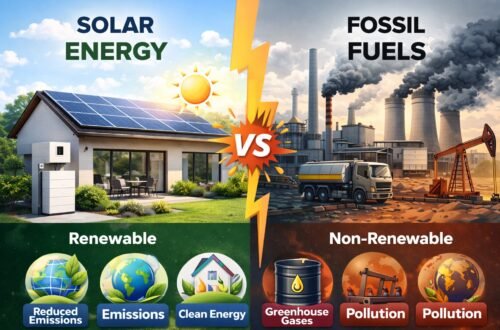
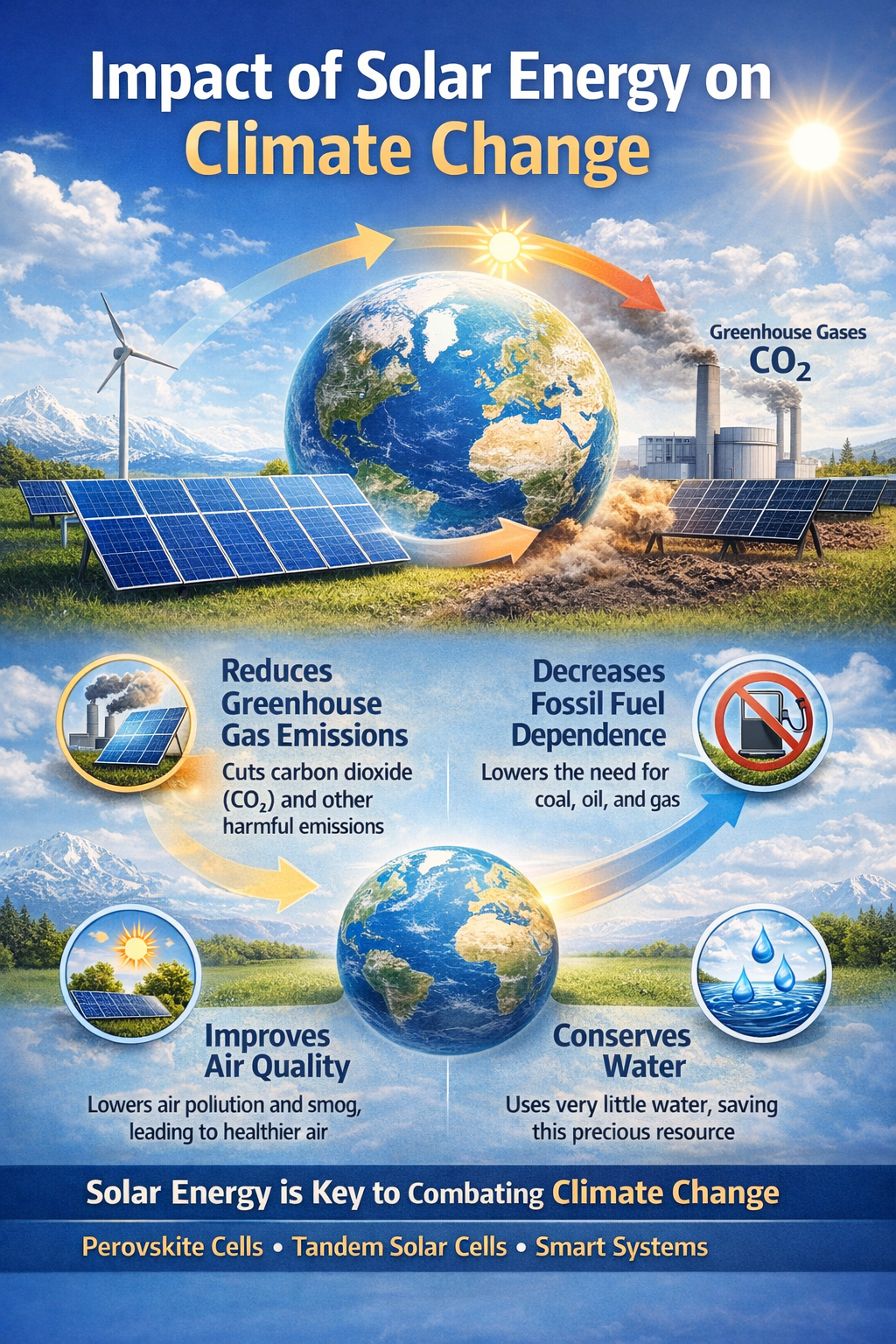
Solar energy has a very low environmental impact. It does not produce carbon dioxide or other harmful gases during operation. This makes it a clean and sustainable energy source that helps reduce air pollution and climate change.
Fossil fuels, on the other hand, are the largest contributors to environmental pollution. Burning coal, oil, and gas releases greenhouse gases such as carbon dioxide, which is the main cause of global warming. It also produces harmful pollutants that affect air quality and human health.
In terms of environmental safety, solar energy is far superior.
Availability and Sustainability
Solar energy is renewable and virtually unlimited. The sun provides more energy in one hour than the entire world consumes in a year. This makes it a highly sustainable source of power.
Fossil fuels are limited and non-renewable. Once they are used, they cannot be replaced quickly. Their reserves are decreasing over time, making them less sustainable for the future.
From a long-term perspective, solar energy is more reliable for global energy needs.
Cost Comparison
Solar energy requires a high initial investment for installation, including solar panels, inverters, and sometimes batteries. However, once installed, it has very low operating and maintenance costs. Sunlight is free, which makes long-term electricity generation very economical.
Fossil fuels require continuous costs for extraction, transportation, and processing. Their prices also fluctuate due to global market conditions, political instability, and supply shortages.
Over time, solar energy becomes more cost-effective compared to fossil fuels.
Reliability and Energy Supply
Fossil fuels provide consistent and reliable energy regardless of weather conditions. Power plants using coal, oil, or gas can operate 24 hours a day, making them highly dependable.
Solar energy depends on sunlight, which means it is not available at night and is reduced during cloudy weather. However, this limitation is being reduced with the development of battery storage systems that store excess energy for later use.
Currently, fossil fuels are more reliable, but solar energy is improving rapidly.
Infrastructure and Technology
Fossil fuel infrastructure is well-developed and includes power plants, pipelines, refineries, and global distribution networks. This established system makes fossil fuels easier to distribute and use on a large scale.
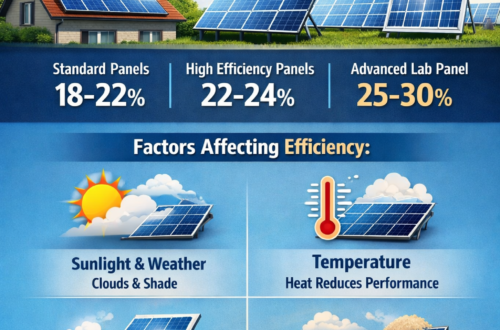
Solar energy infrastructure is still growing. However, technological advancements are making solar panels more efficient, affordable, and widely available. Countries are investing heavily in solar farms and smart grid systems to support renewable energy integration.
Health and Safety
Solar energy is safe and does not produce harmful by-products during operation. It has no direct negative impact on human health.
Fossil fuels are associated with serious health risks. Air pollution caused by burning fossil fuels leads to respiratory diseases, heart problems, and other health issues. Mining and drilling activities also pose safety risks for workers and damage ecosystems.
From a health perspective, solar energy is the safer option.
Economic Impact
Fossil fuels have historically played a major role in global economic development. They have created millions of jobs and supported industrial growth worldwide.
However, solar energy is now becoming a strong economic sector. It is generating employment in manufacturing, installation, maintenance, and research. As demand increases, the solar industry is expected to create even more job opportunities in the future.
Future Outlook
The global energy future is moving toward renewable sources. Many countries are setting targets to reduce dependence on fossil fuels and increase the use of clean energy.
Solar energy is expected to play a major role in this transition. With continuous improvements in technology and storage systems, solar power will become more efficient and accessible.
Fossil fuels will still be used for some time, but their role is expected to decline gradually.
Challenges of Solar Energy
Despite its advantages, solar energy also faces some challenges:
- High initial installation cost
- Dependence on sunlight
- Need for energy storage systems
- Space requirements for large installations
Challenges of Fossil Fuels
Fossil fuels also have several disadvantages:
- Environmental pollution and climate change
- Limited supply and eventual depletion
- Price instability in global markets
- Health and safety risks
These challenges make fossil fuels less suitable for long-term energy needs.
Conclusion
The comparison between solar energy and fossil fuels clearly shows that both have advantages and disadvantages. Fossil fuels are currently more reliable due to established infrastructure, but they are harmful to the environment and not sustainable.
Solar energy is clean, renewable, and increasingly cost-effective. Although it has some limitations, technological advancements are quickly overcoming them.
In the long run, solar energy is the better choice for a sustainable and environmentally friendly future.