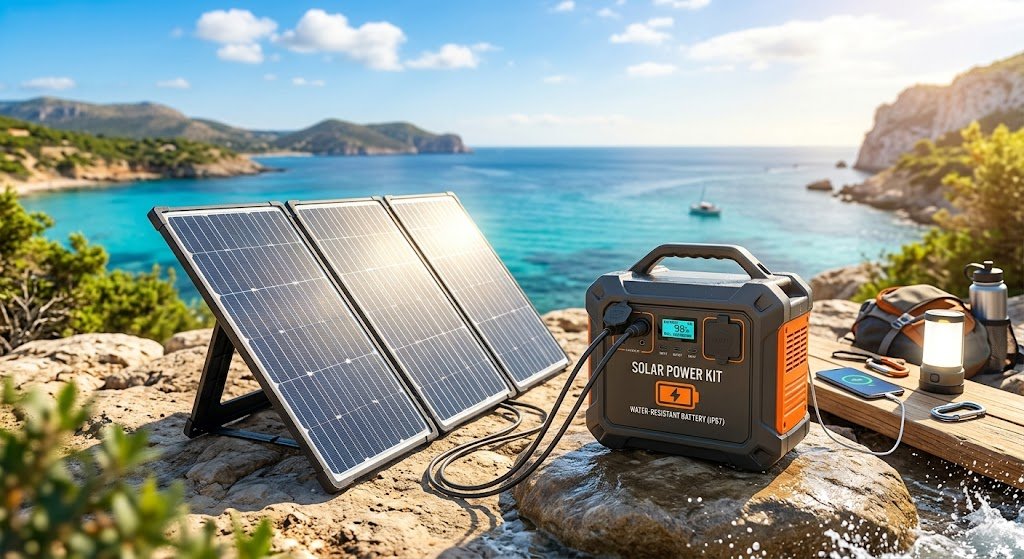
Solar Power Kit with Water-Resistant Battery: A Practical, Durable Solution for Modern Energy Needs
Introduction
Energy is no longer just a utility—it’s a necessity that defines how we live, work, travel, and even survive during emergencies. As the global demand for clean, reliable, and portable energy increases, solar power has emerged as one of the most accessible and sustainable solutions. Among the many innovations in this space, the solar power kit with a water-resistant battery stands out as a highly practical and resilient option.
This article explores everything you need to know about such systems—from how they work to why they are becoming essential for homes, outdoor enthusiasts, and emergency preparedness. If you are considering investing in a solar setup that can withstand environmental challenges while delivering consistent performance, this guide will give you a comprehensive understanding.
What Is a Solar Power Kit with a Water-Resistant Battery?
A solar power kit is a complete package designed to generate, store, and supply electricity using sunlight. It typically includes:
- Solar panels
- Charge controller
- Battery storage system
- Inverter (optional, depending on usage)
- Cables and connectors
When paired with a water-resistant battery, the system becomes more robust, especially for outdoor or unpredictable environments. Water-resistant batteries are designed with protective casings and sealed components that prevent moisture from damaging internal electronics.
Why Water Resistance Matters
Most people focus on panel efficiency or battery capacity—but environmental durability is just as important. Water exposure is one of the leading causes of battery failure, especially in outdoor setups.
Key Reasons Water Resistance Is Crucial
1. Outdoor Use
Solar kits are often installed outdoors or used in environments like campsites, farms, rooftops, and remote areas. Rain, humidity, and accidental splashes are inevitable.
2. Safety
Water and electricity are a dangerous combination. A water-resistant battery reduces the risk of short circuits, electrical fires, or system failure.
3. Longevity
Moisture can corrode battery terminals and internal components. A sealed or water-resistant design significantly increases lifespan.
4. Reliability in Emergencies
In disaster scenarios such as floods or storms, a water-resistant battery ensures your power source remains functional when you need it most.
How the System Works
A solar power kit operates through a simple yet efficient process:
- Sunlight hits the solar panels, generating direct current (DC) electricity.
- The charge controller regulates the power, ensuring the battery charges safely.
- Energy is stored in the water-resistant battery.
- The inverter converts DC to AC power (if needed), making it usable for household devices.
The water-resistant battery acts as the heart of the system, storing energy for use at night or during cloudy conditions.
Types of Water-Resistant Batteries Used
Not all batteries are created equal. The most common types used in solar kits include:
1. Lithium-Ion Batteries
- Lightweight and compact
- High energy density
- Often come with built-in waterproof or water-resistant casings
- Long lifespan (up to 10 years or more)
2. Lithium Iron Phosphate (LiFePO4)
- More stable and safer than traditional lithium-ion
- Excellent resistance to heat and moisture
- Ideal for rugged environments
3. Sealed Lead-Acid Batteries
- More affordable
- Heavier and bulkier
- Some models offer water-resistant enclosures
Among these, lithium-based batteries are the most popular for water-resistant solar kits due to their durability and efficiency.
Key Features to Look For
When choosing a solar power kit with a water-resistant battery, consider the following features:
Ingress Protection (IP Rating)
This rating indicates how well the battery resists dust and water. For example:
- IP65: Protected against water jets
- IP67: Can withstand temporary immersion
Battery Capacity
Measured in watt-hours (Wh) or amp-hours (Ah), this determines how much energy the battery can store.
Portability
Many kits are designed for easy transport, featuring handles, compact designs, and lightweight materials.
Durability
Look for shockproof, corrosion-resistant, and weatherproof designs.
Charging Speed
Efficient charge controllers and high-quality panels ensure faster energy storage.
Multiple Output Options
USB ports, AC outlets, and DC outputs allow you to power various devices simultaneously.
Applications of Solar Kits with Water-Resistant Batteries
These systems are incredibly versatile. Here are some common use cases:
1. Outdoor Adventures
Campers, hikers, and travelers rely on solar kits to power:
- Lights
- Phones
- Portable refrigerators
- GPS devices
A water-resistant battery ensures performance even in rain or near water bodies.
2. Emergency Backup Power
During power outages caused by storms or natural disasters, a solar kit can power essential devices like:
- Communication equipment
- Medical devices
- Emergency lighting
The water-resistant feature becomes critical in flood-prone or high-humidity areas.
3. Off-Grid Living
For cabins, farms, or remote homes, these kits provide:
- Reliable energy
- Reduced dependency on fossil fuels
- Lower electricity costs
Water-resistant batteries are especially useful in rural areas where environmental exposure is unavoidable.
4. Marine and RV Use
Boats and recreational vehicles operate in environments where water exposure is constant. A water-resistant battery is not optional—it’s essential.
5. Construction Sites
Temporary power setups on construction sites often face dust, rain, and rough handling. Durable solar kits with water-resistant batteries are ideal for such conditions.
Advantages of Using a Water-Resistant Solar Kit
1. Enhanced Durability
The system can withstand harsh weather conditions without compromising performance.
2. Reduced Maintenance
Sealed batteries require less upkeep compared to traditional systems.
3. Portability
Many kits are designed for mobility, making them perfect for travel and temporary setups.
4. Eco-Friendly Energy
Solar power reduces carbon emissions and dependence on non-renewable resources.
5. Cost Savings
After the initial investment, solar energy is essentially free.
Challenges and Considerations
While these systems are highly beneficial, there are a few factors to consider:
Initial Cost
High-quality solar kits with water-resistant batteries can be expensive upfront.
Weather Dependence
Solar panels rely on sunlight, which may be limited during cloudy days.
Capacity Limitations
Portable kits may not power large appliances for extended periods.
Weight
Although lithium batteries are lighter, complete kits can still be bulky depending on capacity.
Maintenance Tips
Even water-resistant systems require some care:
- Keep panels clean for maximum efficiency
- Inspect connections regularly
- Avoid prolonged submersion unless fully waterproof
- Store in a dry place when not in use
- Check battery health periodically
Future Trends in Solar Power Kits
The solar industry is evolving rapidly, and water-resistant systems are becoming more advanced. Some emerging trends include:
Smart Monitoring Systems
Apps and digital interfaces allow users to track energy production and battery health in real time.
Improved Battery Technology
New materials and designs are increasing efficiency, lifespan, and resistance to environmental factors.
Compact Designs
Manufacturers are focusing on making systems smaller without sacrificing power.
Integration with Smart Homes
Solar kits are increasingly compatible with modern home automation systems.
Choosing the Right Kit for Your Needs
Before purchasing, ask yourself:
- How much power do I need?
- Will I use it indoors, outdoors, or both?
- How important is portability?
- What environmental conditions will it face?
Matching your needs with the right specifications ensures you get the most value from your investment.
Environmental Impact
Switching to solar energy has a profound positive impact:
- Reduces greenhouse gas emissions
- Decreases reliance on fossil fuels
- Promotes sustainable living
Water-resistant batteries also contribute by reducing waste, as they tend to last longer and require fewer replacements.
Conclusion
A solar power kit with a water-resistant battery is more than just a modern gadget—it’s a reliable, sustainable, and versatile energy solution for a wide range of applications. Whether you are an outdoor enthusiast, a homeowner seeking backup power, or someone living off-grid, this technology offers unmatched convenience and resilience.
As climate conditions become more unpredictable and the need for clean energy grows, investing in a durable solar system is a smart and forward-thinking decision. With proper selection and maintenance, such a system can serve you efficiently for years, providing peace of mind and energy independence wherever you go.