How Solar Panels Work: A Beginner’s Guide
Introduction
Solar energy is becoming one of the most popular and sustainable sources of power in the world today. With rising electricity costs and increasing awareness about environmental protection, more people are turning to solar panels as an alternative energy solution. But how do solar panels actually work? In this beginner-friendly guide, you’ll learn the basics of solar energy, how solar panels generate electricity, and why they are a smart investment for the future.
What Are Solar Panels?

Solar panels are devices that convert sunlight into electricity. They are made up of many smaller units called solar cells, which are usually made from silicon—a material that can generate electricity when exposed to sunlight.
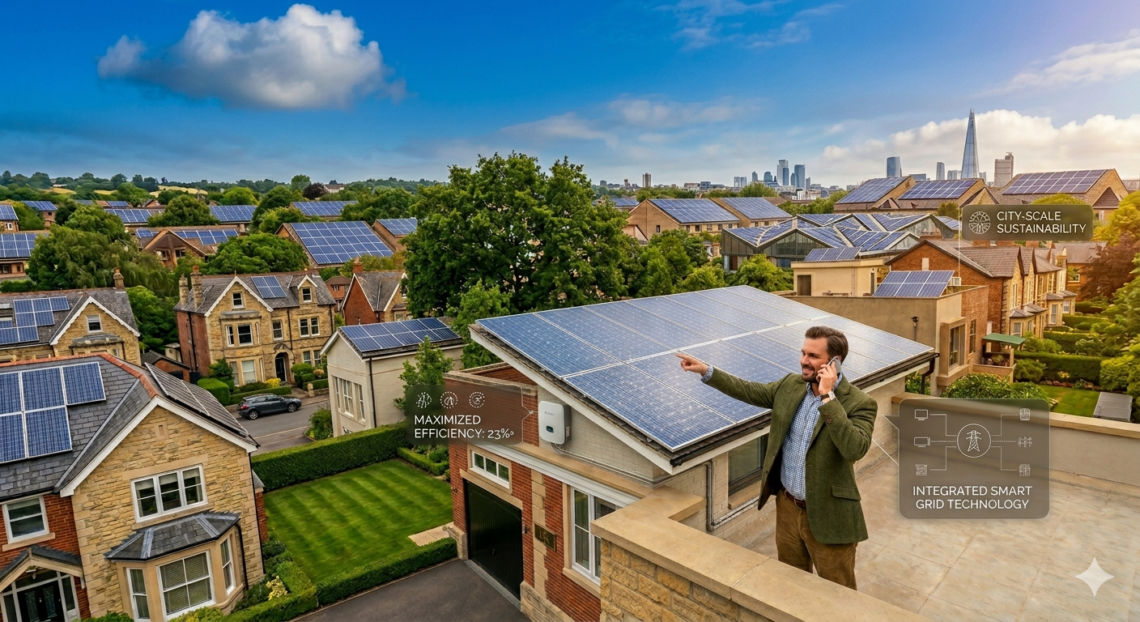
These panels are typically installed on rooftops or open areas where they can receive maximum sunlight. Solar panels are a key part of a solar power system, which may also include an inverter, batteries, and other electrical components.
How Do Solar Panels Work?


Solar panels work through a process known as the photovoltaic effect. Here’s a simple breakdown of how it happens:
- Sunlight Hits the Panels
When sunlight falls on the solar panels, it contains tiny particles called photons. - Electrons Get Excited
These photons hit the solar cells and transfer energy to electrons in the silicon material. - Electric Current Is Generated
The energized electrons start moving, creating an electric current (DC – Direct Current). - Conversion to Usable Power
This DC electricity is then converted into AC (Alternating Current) using an inverter, making it usable for home appliances.
Components of a Solar Power System

A complete solar system includes several important components:
1. Solar Panels
These capture sunlight and convert it into electricity.
2. Inverter
The inverter converts DC electricity into AC electricity, which is used in homes and businesses.
3. Battery (Optional)
Solar batteries store excess electricity for use at night or during power outages.
4. Mounting Structure
This holds the panels in place, usually on rooftops or ground-mounted systems.
5. Wiring and Electrical System
These connect all components and ensure smooth electricity flow.
Types of Solar Panels


There are three main types of solar panels:
1. Monocrystalline Panels
- Made from a single crystal structure
- High efficiency
- Long lifespan
- Slightly expensive
2. Polycrystalline Panels
- Made from multiple silicon fragments
- Lower cost
- Slightly less efficient
3. Thin-Film Panels
- Lightweight and flexible
- Less efficient
- Used in special applications
Benefits of Solar Panels
1. Renewable Energy Source
Solar energy is abundant and will not run out anytime soon.
2. Reduces Electricity Bills
Once installed, solar panels can significantly reduce or even eliminate electricity costs.
3. Environmentally Friendly
Solar power reduces carbon emissions and helps fight climate change.
4. Low Maintenance
Solar panels require minimal maintenance and can last 20–25 years or more.
5. Energy Independence
You become less dependent on utility companies and rising energy prices.
Limitations of Solar Panels
1. Initial Cost
The upfront cost of installing solar panels can be high, although prices are decreasing.
2. Weather Dependency
Solar panels depend on sunlight, so their efficiency may decrease on cloudy days.
3. Space Requirement
You need enough space for installation, especially for larger systems.
4. Energy Storage Cost
Batteries can be expensive if you want to store energy for later use.
How Much Energy Can Solar Panels Produce?
The amount of electricity generated depends on several factors:
- Sunlight availability (location matters)
- Panel efficiency
- Size of the system
- Angle and direction of panels
For example, in sunny regions like Pakistan, solar panels can generate a significant amount of electricity throughout the year, making them a highly effective investment.
Solar Panels in Daily Life
Solar energy is used in many ways today:
- Powering homes and buildings
- Running street lights
- Charging mobile devices
- Supporting agricultural systems like water pumps
- Providing electricity in remote areas
As technology advances, solar energy is becoming more accessible and affordable for everyone.
Future of Solar Energy
The future of solar energy looks very promising. Governments around the world are encouraging renewable energy adoption through subsidies and incentives. New technologies are improving solar panel efficiency and reducing costs.
Innovations like solar tiles, transparent solar panels, and improved battery storage systems are making solar energy even more practical and attractive for everyday use.
Conclusion
Solar panels are a simple yet powerful way to harness the sun’s energy and convert it into electricity. By understanding how they work, you can make informed decisions about adopting solar energy in your home or business. Although there are some initial costs and limitations, the long-term benefits—such as reduced electricity bills, environmental protection, and energy independence—make solar panels a smart investment for the future.
